Find your solution
Modern hospitals depend on efficient internal logistics to support clinical operations. Every day, large volumes of materials need to be transported between departments, including laboratory specimens, medications, sterile supplies, and medical equipment.
Traditionally, many of these deliveries are handled manually by hospital staff. While this approach may work in smaller facilities, it can create significant challenges in large hospitals where thousands of internal transports occur daily. Manual logistics often lead to delays, increased workload for nurses and support staff, and higher operational costs. In addition, frequent human contact during material transport can increase the risk of contamination and infection.
As healthcare systems continue to grow in size and complexity, hospitals are increasingly turning to automatic logistics systems to improve efficiency, safety, and workflow reliability. By automating internal transport processes, hospitals can streamline operations and allow medical staff to focus more on patient care rather than routine delivery tasks.
Automation has become an important part of modern healthcare infrastructure. Many hospitals are now implementing automated transport systems to move materials quickly and safely throughout their facilities.
These technologies help optimize hospital logistics, reduce manual handling, and ensure that critical items reach their destinations faster. From laboratory samples to medical supplies, automated logistics solutions support smoother workflows across departments such as laboratories, pharmacies, operating rooms, and inpatient wards.
Depending on the type of materials and transport requirements, hospitals typically rely on several different logistics technologies. Together, these systems form the backbone of automatic logistics in modern healthcare facilities.
Modern hospitals typically rely on several types of automated transport systems to support internal logistics. Each system is designed to handle different types of materials, transport volumes, and operational needs.

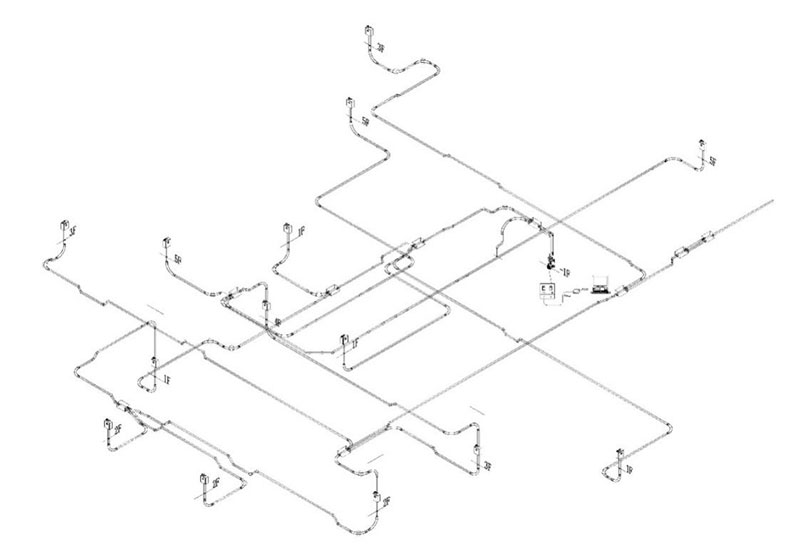
Pneumatic tube systems are widely used in hospitals for the rapid transport of small items. They allow departments such as laboratories, pharmacies, and wards to send materials quickly through a network of tubes.
Typical items transported include:
·blood samples and laboratory specimens
·medications
·medical documents
·small medical supplies
Because of their high speed and point-to-point delivery capability, pneumatic tube systems significantly reduce specimen transport time and help accelerate clinical workflows.
Solutions such as SmaTube provide fast and reliable pneumatic transport, making them ideal for time-critical hospital logistics.
(Automated transport for medium-batch and multi-department deliveries)

Track vehicle systems are designed to automate the transport of larger and more diverse hospital materials. These vehicles travel along dedicated tracks to deliver supplies between departments across the hospital.
Typical materials transported include:
·medications
·sterile supplies
·laboratory materials
·consumables and logistics containers
One key advantage of track vehicle systems is their ability to support both horizontal transport and cross-floor logistics, allowing materials to move efficiently between different levels of a hospital building.
Solutions such as SmaTruck help hospitals automate routine internal deliveries while supporting medium-batch logistics across multiple departments.
(Efficient vertical logistics for heavier loads)

Vertical conveyor transport systems are designed to move materials efficiently between hospital floors. These systems are particularly useful for transporting larger or heavier items that require stable and reliable vertical logistics.
Typical applications include:
·medical supplies and consumables
·logistics containers
·equipment and larger materials
Vertical transport systems can also be integrated with horizontal logistics solutions to create a seamless internal transport network.
Solutions such as SmaLift support both vertical and horizontal transport and offer higher load capacity, enabling efficient multi-floor material movement in modern hospital environments.
By implementing automatic logistics systems, hospitals can significantly improve operational efficiency while reducing the burden on healthcare staff.
Automated logistics solutions help hospitals:
·reduce manual transport tasks
·improve delivery speed and reliability
·optimize internal hospital workflows
·reduce infection risks by minimizing human contact during transport
These improvements not only enhance operational efficiency but also contribute to better patient care by ensuring that critical materials arrive quickly and safely where they are needed.
The Future of Smart Hospital Logistics
As hospitals continue to modernize their infrastructure, automatic logistics is becoming an essential component of smart healthcare facilities. The integration of pneumatic tube systems, track vehicle systems, and vertical transport solutions allows hospitals to build a comprehensive internal logistics network.
Together, these technologies enable faster, safer, and more efficient material transport across complex healthcare environments. As the demand for efficiency, safety, and digitalization continues to grow, automatic logistics will play an increasingly important role in shaping the future of smart hospital operations.